Expert context · Customer Research
Customer Research: The Best Thinking, Applied
Expert marketing context from leading books and practitioner writing on customer research. Add it, and Claude, ChatGPT or Marcora draws on it when you ask.



Ten questions that come up whenever a team sets out to learn from customers, from how far to trust what people say they would do, to who should do the talking, to how many conversations are enough. Each item draws on the leading books (Adele Revella, Michele Hansen, Teresa Torres, Rob Fitzpatrick, Clayton Christensen and his co-authors, and Martina Lauchengco, among others) and ends with a method you can run. Where the authors disagree, the item says when each one fits.
Each item takes a decision you face when learning from customers, brings the best of the books to it, and finishes with steps for your situation. Pull one into a working session when you are about to make that decision.
Books behind this collection
Marcora wrote the items in this collection from these books. The authors haven't reviewed or endorsed them.
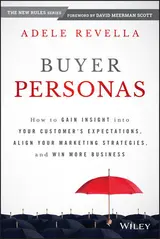 Buyer Personas (opens in a new tab)
How to Gain Insight into your Customer's Expectations, Align your Marketing Strategies, and Win More Business
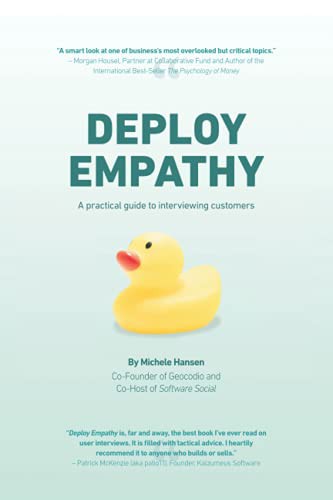 Deploy Empathy (opens in a new tab)
A Practical Guide to Interviewing Customers
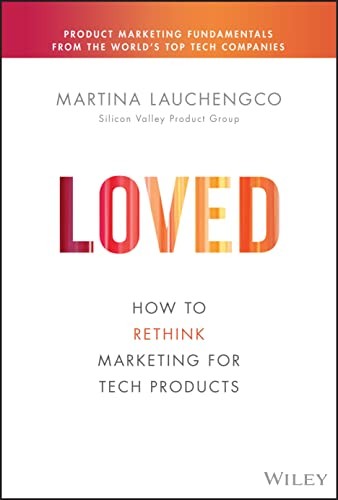 Loved (opens in a new tab)
How to Rethink Marketing for Tech Products
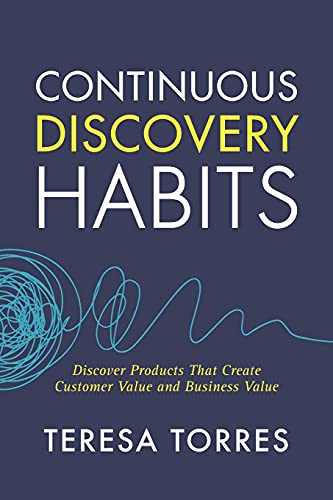 Continuous Discovery Habits (opens in a new tab)
Discover Products that Create Customer Value and Business Value
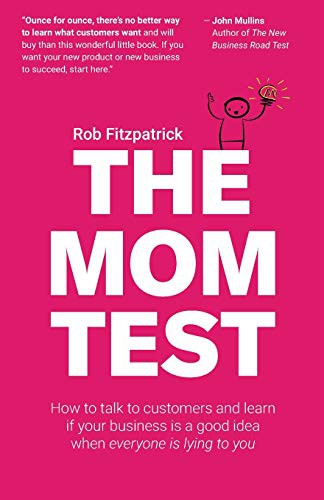 The Mom Test (opens in a new tab)
How to Talk to Customers and Learn If Your Business Is a Good Idea When Everyone Is Lying to You
 Sales Pitch (opens in a new tab)
How to Craft a Story to Stand Out and Win
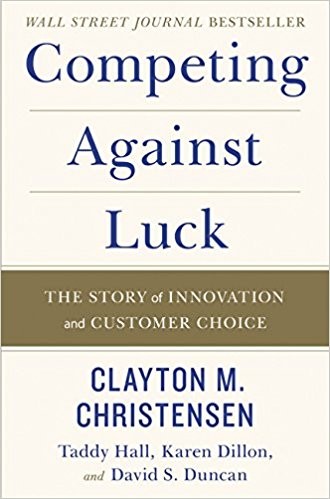 Competing Against Luck (opens in a new tab)
The Story of Innovation and Customer Choice
Practitioner pieces
Some deep dives also draw on a practitioner's public writing. The authors haven't reviewed or endorsed these deep dives.
In this collection
How far can you trust what customers say they would do?
Praise and promises cost the customer nothing. Draws on Torres, Hansen, Lauchengco, Revella and Fitzpatrick. Gives you ways to ask about what people did, tests that make them give something up, and a rule for counting a meeting that ends in warm words and no next step as having taught you nothing.
What does a good customer interview question sound like, and what does it give away?
Every question shows the customer what you hope to hear. Compares Revella, Torres, Hansen, Lauchengco and Fitzpatrick on where to start the story and how much to script. Gives you a method for writing questions about one real occasion and for running the call without leading.
Who should talk to customers: the product marketer, the product manager or sales?
Whoever does the talking decides what the company hears. Compares Revella, Hansen, Torres and Lauchengco: anyone who has not sold to the buyer, anyone with a script, the whole building team, or roles with different questions. Gives you a way to choose interviewers and split the work.
How many customer conversations are enough before you act on a pattern?
Five, eight to ten, or a weekly rhythm with no number. Compares Hansen, Revella, Torres and Lauchengco. Gives you a rule for when to believe a pattern, how to match the next step to the cost of being wrong, and how to run the conversations so the count means something.
Does the person you interviewed match the person who decided?
The user who loved it, the manager who signed and the reviewer who nearly stopped it are three people. Compares Fitzpatrick, Revella, Dunford, Hansen and Lauchengco. Gives you questions that reveal who was involved and a way to choose whom to interview.
When do the people who didn't buy tell you more than the ones who did?
Buyers are easy to reach and tell you what went right. Draws on Revella, Hansen and Lauchengco. Gives you the order in which to approach buyers who chose a rival, customers who left and prospects who never considered you, and how to run and use those conversations.
What can the sales calls you already record tell you about customers, and what can't they?
Calls are a late, guarded and seller-shaped view of the buyer. No book teaches call mining, so this item builds the method from Lauchengco, Dunford, Torres, Hansen, Fitzpatrick and Revella: what to listen for, and how to turn calls into proper research.
Also draws on How B2B SaaS CMOs Buy Software in 2026 by Wynter. Read the original (opens in a new tab)
Is a customer buying a product or hiring it for a job?
A purchase looks like a choice between products while the cause sits in the situation. Compares Christensen and his co-authors, Hansen, Revella, Fitzpatrick, Dunford and Lauchengco. Gives you a way to reconstruct a recent purchase as a timeline, write down the job and test it, with the book's limits stated.
What turns a customer finding into a message, a roadmap change, or nothing at all?
The interviews are done and nothing has changed. Compares Revella, Torres, Hansen and Lauchengco: a messaging workshop, a chain of tested ideas, a map of pain and frequency, or a decision filter. Gives you one route to a message and one to a roadmap decision, and a place for findings that stop.
How do you keep customer research alive after the readout?
Research that matters has a short half-life. Compares Torres, Revella, Hansen and Lauchengco on weekly habits, monthly libraries, two tracks and curation. Gives you a way to set up a habit that survives a busy quarter and to keep what you learn in use.
Add this collection to Marcora
Once it's added, Marcora draws on the relevant items when it drafts and plans for your team.
Add to Marcora